


Traditional medicine and childcare in Western Africa: mothers' knowledge, folk illnesses, and patterns of healthcare-seeking behavior
- PMID: 25147924
- PMCID: PMC4141852
- DOI: 10.1371/journal.pone.0105972
Traditional medicine and childcare in Western Africa: mothers' knowledge, folk illnesses, and patterns of healthcare-seeking behavior
Abstract
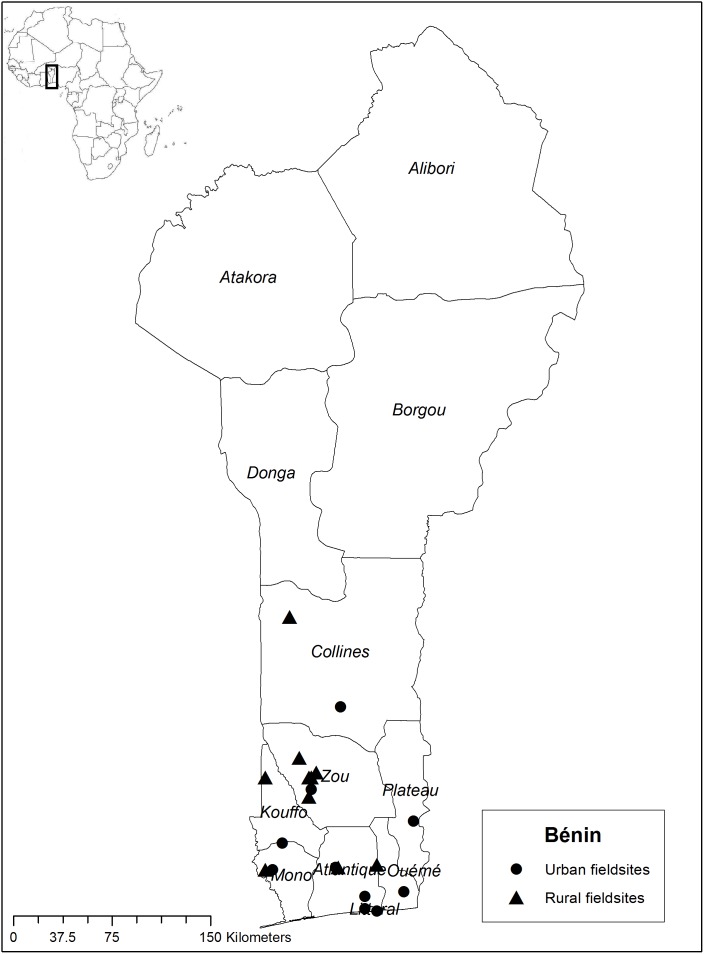
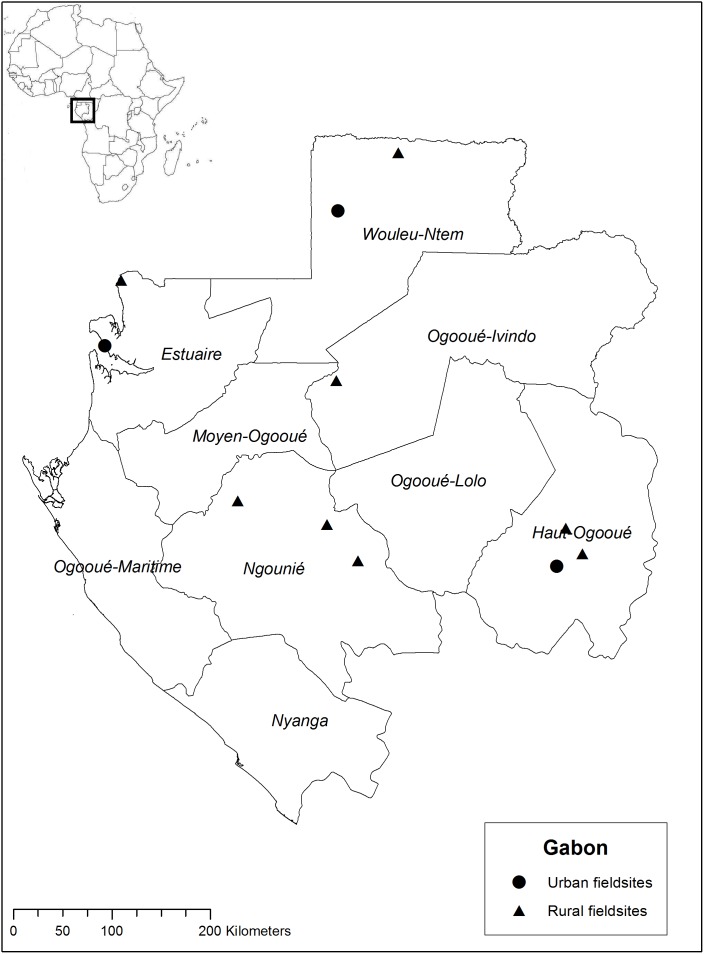
Background: In spite of the strong role of traditional medicine in childcare in the pluralistic healthcare system in Western Africa, little information is known on mothers' domestic plant knowledge. Identifying local perspectives and treatments of children's illnesses, including folk illnesses, is essential to having a comprehensive understanding of how mothers make healthcare treatment decisions. We aimed to identify which infant illnesses Beninese and Gabonese mothers knew to treat with medicinal plants and for which illnesses they sought biomedical care or traditional healers.
Methods: We conducted 81 questionnaires with mothers in Bénin and Gabon and made 800 botanical specimens of cited medicinal plants. We calculated the number of species cited per illness and the proportion of participants knowledgeable on at least one herbal remedy per illness. Using qualitative data, we described folk illnesses in each country and summarized responses on preferences for each of the three healthcare options.
Results: Participants from both countries were most knowledgeable on plants to treat respiratory illnesses, malaria, diarrhea, and intestinal ailments. Mothers also frequently mentioned the use of plants to encourage children to walk early, monitor the closure of fontanels, and apply herbal enemas. Major folk illnesses were atita and ka in Bénin and la rate and fesses rouges in Gabon. Traditional healers were reported to have specialized knowledge of cultural bound illnesses. Malaria was frequently cited as an illness for which mothers would directly seek biomedical treatment.
Conclusion: Mothers largely saw the three systems as complementary, seamlessly switching between different healing options until a remedy was found. Folk illnesses were found to give insight into local treatments and may reveal important neglected diseases. Due to high reported levels of knowledge on treating top statistical causes of infant mortality and folk illnesses, mothers' medicinal plant knowledge should be included in the analysis of healthcare-seeking behavior for childcare.
Conflict of interest statement
Figures
References
-
- van der Geest S (1997) Is there a role for traditional medicine in basic health services in Africa? A plea for a community perspective. Trop Med Int Heal 2(9): 903–11. - PubMed
-
- Nyamongo IK (2002) Health care switching behaviour of malaria patients in a Kenyan rural community Soc Sci Med. 54(3): 377–86. - PubMed
-
- WHO. Traditional medicine. Available: http://www.who.int/mediacentre/factsheets/fs134/en/. Accessed 2013 Apr 29.
-
- Pfeiffer J, Butz R (2005) Assessing cultural and ecological variation in ethnobiological research: the importance of gender. J Ethnobiol 25(2): 240–278.
-
- Vandebroek I (2013) Intercultural health and ethnobotany: How to improve healthcare for underserved and minority communities? J Ethnopharmacol 148(3): 746–754. - PubMed
Publication types
MeSH terms
LinkOut - more resources
Full Text Sources
Other Literature Sources
